


- NATIONAL GEOSPATIAL-INTELLIGENCE AGENCY

Part 1: Investigating the Growth of Detention Facilities in Xinjiang Using Nighttime Lighting
A growing body of research has systematically documented Chinese efforts to imprison, detain, and re-educate ethnic Uyghur and minority groups throughout its western Xinjiang province. In this three-part investigation, RAND researchers explore new data on nighttime lighting in Xinjiang to offer new, empirical insights into China's efforts to reeducate, detain, and imprison its Uyghur and ethnic minority populations across Xinjiang.
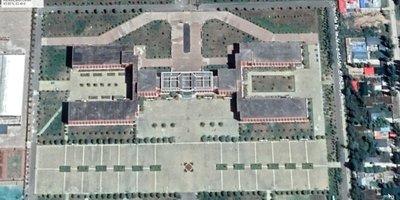
Part 2: Have Any of Xinjiang's Detention Facilities Closed?
This report, the second in a three-part series, employs a novel empirical approach to systematically assess the current operating status of known detention facilities in Xinjiang using nighttime lighting. This analysis provides new, empirical evidence to suggest that the overwhelming majority of detention facilities in Xinjiang remain active, operational, and in many cases, still under construction – despite Chinese claims to the contrary.
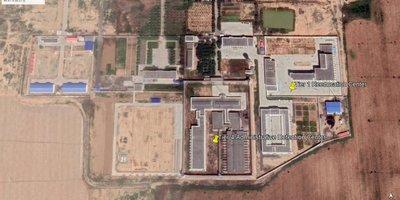
Part 3: Explaining Variation in the Growth and Decline of Detention Facilities across Xinjiang
This report, the final in our series, explores trends in the growth and decline of nighttime lighting over detention facilities across Xinjiang. It reveals evidence to suggest that long-term prisons have become a greater priority than reeducation centers, along with those located in rural areas or in areas administered by the XPCC, among other trends. Overall, this report helps chart the current trajectory of China's widespread detention of Uyghur and ethnic minority populations in the region.
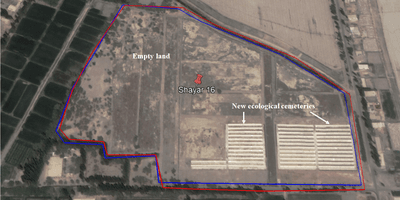
Empty Lots, Green Spaces, and a Parking Lot – What Happened to the Demolished Uyghur Cemeteries?
Analysis of 48 Uyghur cemeteries in Xinjiang indicates that while many were repurposed for the reasons cited by the Chinese government, fully a third were demolished with no further development on the site.
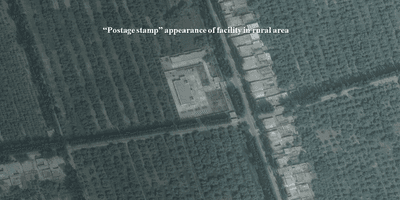
Part 2: Geolocating Growth of Suspect "Boarding" Facilities in Xinjiang China
RAND has identified 55 facilities suspected of housing young children the construction of which coincided with a publicly stated policy to build “boarding schools” in Xinjiang. Western researchers and press allege that Xinjiang authorities are using repurposed and newly built schools to board Uyghur youth as part of a policy of intergenerational separation.
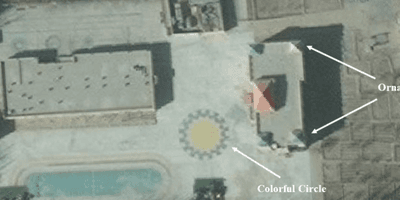
Geolocating Explosive Growth in Preschools in Western China due to 're-education' Policies
Twenty facilities that imagery analysis, press and professional journals suggest house Uyghur children have been identified in this first study of geolocating China's detention infrastructure targeting Uyghurs and other Muslim minority groups.