


Ed Burke
Senior Advisor, RAND
Articles By This Author
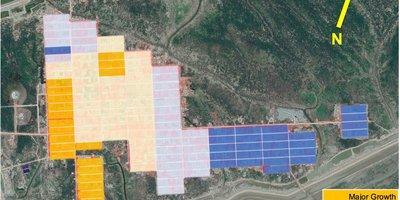
Tracking the Relocation of Rohingya Refugees in Bangladesh: A Nighttime Lighting Approach
This report uses nighttime lighting data to track the relocation of Rohingya refugees from the Cox's Bazaar region of Bangladesh to Bhasan Char, a 'floating island' in the Bay of Bengal built by the Government of Bangladesh to house roughly 100,000 refugees. Constructed on reclaimed land in a monsoon, cyclone, and tsunami-prone region, Bhasan Char poses not only humanitarian challenges, but physical and human rights challenges as the Rohingya become isolated from the mainland.
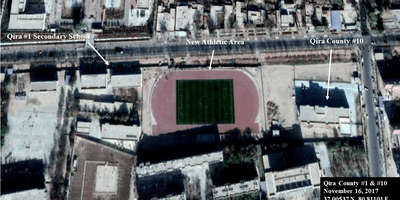
Part 3: More "Boarding" Facilities Geolocated in Southern Xinjiang
In this third Tearline report, RAND identified 21 facilities that could be where western researchers, press accounts and professional journals indicate preschool-aged Uyghur children are schooled and often housed in Qira (Chira) County, Hotan prefecture. Some of the newly identified facilities are on the grounds of primary schools, while others were not imaged frequently enough in the last four years to determine firm construction timelines.
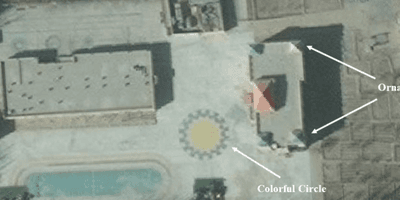
Geolocating Explosive Growth in Preschools in Western China due to 're-education' Policies
Twenty facilities that imagery analysis, press and professional journals suggest house Uyghur children have been identified in this first study of geolocating China's detention infrastructure targeting Uyghurs and other Muslim minority groups.
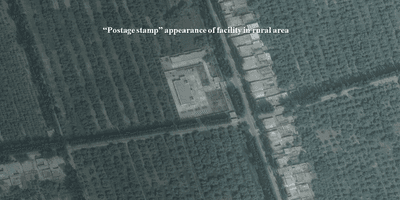
Part 2: Geolocating Growth of Suspect "Boarding" Facilities in Xinjiang China
RAND has identified 55 facilities suspected of housing young children the construction of which coincided with a publicly stated policy to build “boarding schools” in Xinjiang. Western researchers and press allege that Xinjiang authorities are using repurposed and newly built schools to board Uyghur youth as part of a policy of intergenerational separation.