


- NATIONAL GEOSPATIAL-INTELLIGENCE AGENCY
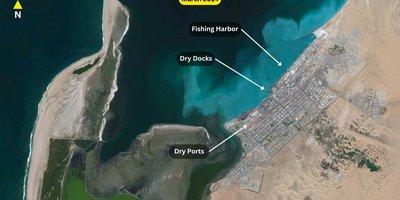
Potential Growth of Chinese Infrastructure in Namibia Under New President
Chinese development in Namibia will likely continue to grow under the projected Netumbo Nandi-Ndaitwah administration.
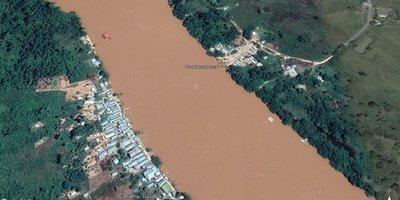
Expansion of Gold Mining and Cross-Border Mercury Activity Between Venezuela and Guyana
Based on the analysis of commercial imagery, ground photography, and open reporting, we assess that gold mining and the associated usage and transportation of mercury have increased in riverine sections of Western Venezuela and Eastern Guyana.
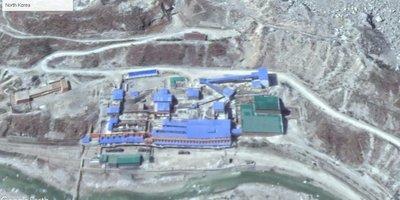
North Korea's Komdok Mining Region: Empty Promises?
In 2020, Typhoon Maysak ravaged North Korea's northeast provinces, devastating large portions of the mineral-rich mining region of Komdok. In the storm's wake, Kim Jong Un directed a plan to rebuild Komdok and transform it into a “model” mining community. Nearly two years later, the flood-damaged road and railway networks have been restored, and over 2,000 new housing units have been constructed.
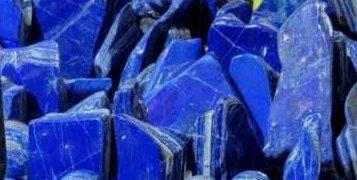
Geospatial Analysis of Afghanistan Gemstone Production Under the Taliban
With the recent Taliban takeover of government in Afghanistan, it is important to analyze gemstone mining sites as they may be strategic sources of income. Gemstones have long been a source of wealth for both miners and for those who control the supply. Geospatial analysis of gemstone mining sites in Afghanistan answers critical intelligence questions related to these sites.
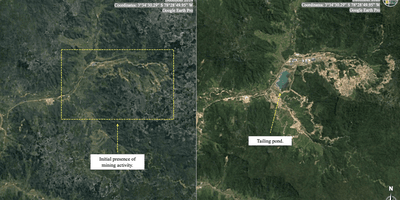
Exploring China's Footprint in the Andes Mountains: Copper Mining in Ecuador
Ecuador's desire to become a global exporter of copper coincides with increased Chinese demand for and investment in copper mining. Both copper mines in Ecuador are owned by the same Chinese company. The inauguration of mine construction and activity has led to negative environmental damage and forced relocations of indigenous communities at both mines.
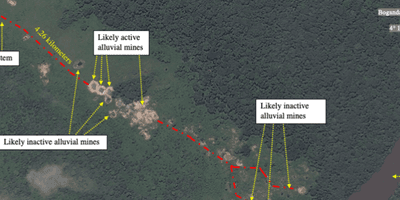
The Environmental Impact of Russian Mining in the Central African Republic
Since 2017, Russia has become increasingly involved in the affairs of the Central African Republic (CAR). A recent agreement between the two countries granted the Russian mining company "Lobaye Invest" exclusive mineral rights to ore deposits throughout the country. Activity in these sites has resulted in observable environmental degradation in the mining permit areas.
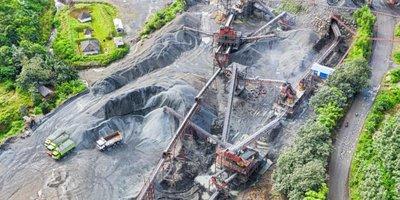
Mining North Korea: Magnesite Production at the Taehung Youth Hero Mine
Antiquated facilities, equipment, and processes, together with the continual plague of electricity shortages, will hinder any dramatic production increases of magnesite at North Korea's Taehung Youth Hero Mine.
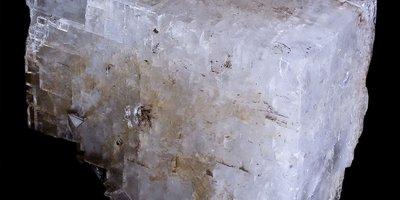
Mining North Korea: Magnesite Production at Ryongyang Mine
Ryongyang Mine is the largest magnesite mine in North Korea and one of the largest in the world. However, satellite and ground imagery show the infrastructure and technology in use at the mines is dated and obsolete when compared to world standards.