


Joseph Bermudez
Senior Fellow for Imagery Analysis, HRNK
Articles By This Author
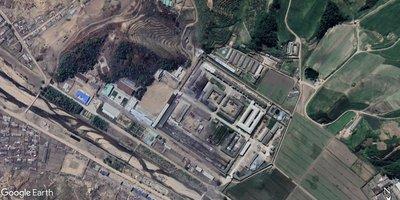
North Korea's Political Prison Camp, Kwan-li-so No. 25
Based on an analysis of key physical features, political prison camp (kwan-li-so) no. 25, established around 1968, remains an operational prison. The prison camp is well maintained by North Korean standards. The estimated population, based on imagery analysis of the compound, is between 2,500 and 5,000 prisoners.

Across the Tracks: North Korean Railcar Manufacturing and the 2018 Inter-Korean Agreement
Connection and modernization of railways in the Korean peninsula's eastern transportation corridor is a declared step within the historic April 27, 2018 joint declaration for peace, prosperity, and unification.

Wonsan Railway Rolling Stock Complex
Activity around Wonsan is likely to be a leading indication of inter-Korean joint declaration progress given its role both in the eastern transportation corridor and the national economy.
Modernization and Expansion Project at the Korean People's Army Fishery Station No. 15
The fishing industry's critical role in North Korea's economy, particularly its foreign currency earning operations, led to a series of international sanctions on North Korean seafood.
Part 2: Ore Car Activity Up at Wonsan Railway Rolling Stock Complex
Update on North Korea's largest railroad rolling stock manufacturing and repair facility.
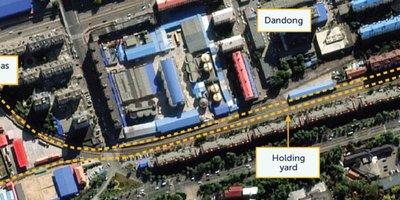
Making Solid Tracks: North Korea's Railway Connections with China and Russia
North and South Korea are moving forward with inter-Korean railway cooperation as a key engine for advancing inter-Korean reconciliation and building the infrastructure for eventual unification. These projects will all be costly and time intensive.
The Ice Curtain: Why is there a new Russian military facility 300 miles from Alaska?
In 2007 Russia re-prioritized the Arctic in keeping with Vladimir Putin's vision of restoring Russia's status as a great power. Now more than a decade later, Russia's military returns to the Arctic with strategic implications for the United States.
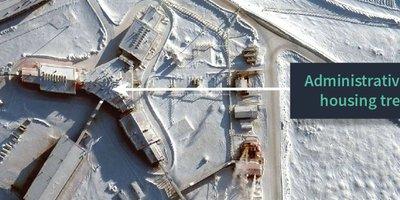
The Ice Curtain: Protecting the Arctic Motherland
A complex layered coastal defense arrangement on Kotelny Island allows Russia to better defend and to deny aerial, maritime, or land access to NATO or U.S. forces.
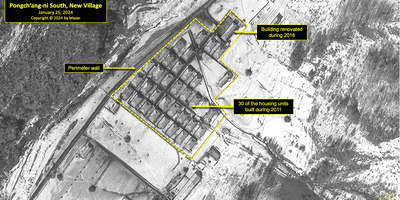
North Korea's Political Prison Camp, Kwan-li-so No. 18
Although North Korea officially announced the closure of Kwan-li-so No. 18 in 2006, commercial satellite imagery analysis indicates that the camp has not been completely razed. Imagery analysis further indicates that the remaining facility, whether officially designated as such or not, is a large and active detention facility.
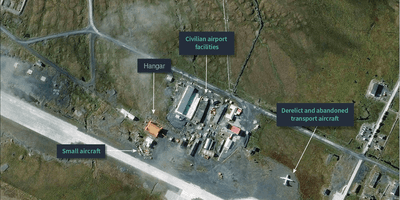
The Ice Curtain: Tiksi Airbase; Many Russian Announcements, Little Equipment
Current imagery does not show evidence of the Russian government's plans to expand Tiksi Airbase into a Northern Fleet air defense base, complete with 11 interconnected structures, and a regiment of S-400 surface-to-air missiles.
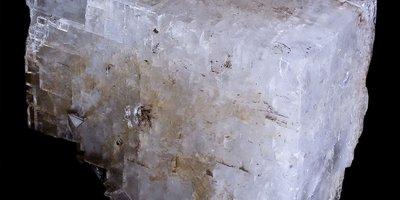
Mining North Korea: Magnesite Production at Ryongyang Mine
Ryongyang Mine is the largest magnesite mine in North Korea and one of the largest in the world. However, satellite and ground imagery show the infrastructure and technology in use at the mines is dated and obsolete when compared to world standards.
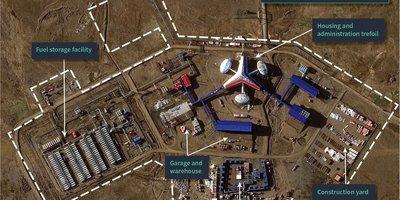
The Ice Curtain: Russia's Military Moves Further North
Alexandra Land provides air-sea-land capabilities that reinforce Russia's multi-layered maritime and air denial power; safeguard the Kola Peninsula which is home to Northern Fleet headquarters and Russia's control over the Northern Sea Route (NSR).
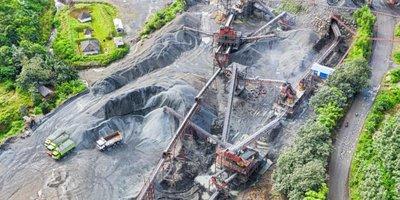
Mining North Korea: Magnesite Production at the Taehung Youth Hero Mine
Antiquated facilities, equipment, and processes, together with the continual plague of electricity shortages, will hinder any dramatic production increases of magnesite at North Korea's Taehung Youth Hero Mine.
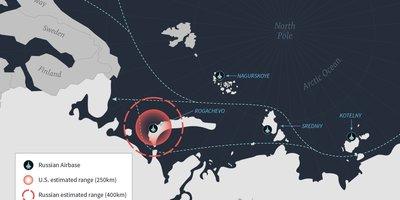
The Ice Curtain: Enhanced Defense of Russia's Western Arctic
Russia's military posture and the deployment of S-400s in its Western Arctic reflects the Soviet legacy of bastion defense comprised of "concentric circles" designed to protect strategic territory.
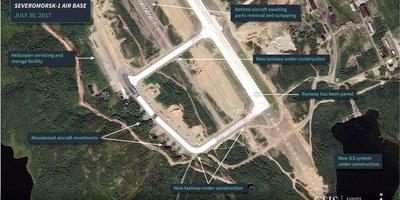
The Ice Curtain: Kola Peninsula Part 1: Slow Modernization of Severomorsk-1 Air Base
Upgrades at Severomorsk-1 Air base increases Russia's operational readiness, presence, and capabilities in the northwest Arctic region, improving domain awareness and operational capacity around the Kola Peninsula. Further upgrades would expand operational capacity towards the GIUK-N Gap. However, GEOINT analysis shows slow construction progress.
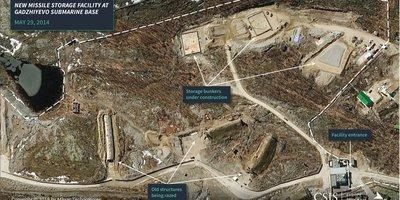
The Ice Curtain: Kola Peninsula Part 2: Expanded Maritime Facilities
GEOINT analysis confirms Russian public declarations to expand the storage facilities at Okolnaya submarine support base and Gadzhiyevo submarine base.