


- NATIONAL GEOSPATIAL-INTELLIGENCE AGENCY
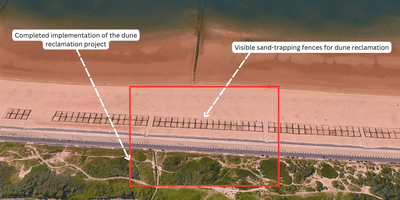
Water Scarcity in Belgium and the Blue Deal
The 2020 Belgian Blue Deal is the nation's ambitious solution to the growing issue of water scarcity. Since its inception, a pattern has emerged, indicating that the government has mostly been able to complete low-cost and moderate-impact projects with either private companies or local municipalities. Therefore, the long-term efficacy of the Belgian Blue Deal cannot be assessed at this time but the start-up phase has been fairly successful.
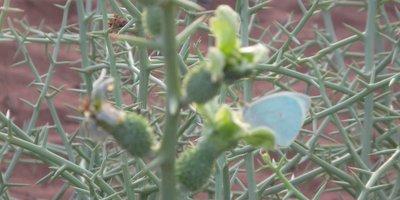
Climate Change Impacts on Water Availability in Namibia
Imagery analysis suggests a native melon species in the Namib Desert may be a quantifiable proxy for the intensity of rain events due to climate change. This intensity in turn may be a leading indicator of economic and political unrest in the Namib Desert region because the melon is a primary source of food for the Topnaar people.
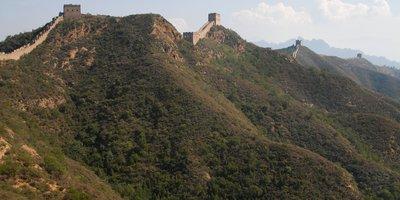
Part 2: Evaluating China's Tree-Planting Activity
In September 2020, against the backdrop of the coronavirus pandemic and with the global economy still reeling, China pledged that it would achieve carbon neutrality by 2060. In this two-part series, researchers from the Columbia School of International and Public Affairs explore China's progress towards that goal along two vectors: "brown" and "green." Part 2 ("green") examines how tree cover has changed in two provinces as China conducts major tree-planting efforts.
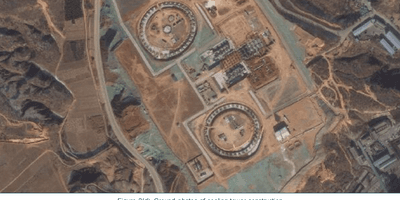
Part I: Analyzing China's Continued Expansion of Coal-Fired Power Capacity
In September 2020, against the backdrop of the coronavirus pandemic and with the global economy still reeling, China pledged that it would achieve carbon neutrality by 2060. In this two-part series, researchers from the Columbia School of International and Public Affairs explore China's progress towards that goal along two vectors: "brown" and "green". Part I ("brown") identifies 5 coal-fired power plants, approved in March 2020, and tracks their construction and continued development.