


Articles By This Author
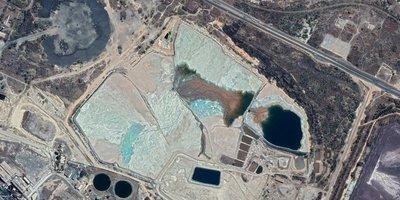
Sustainability of China's Overseas Special Economic Zones: Environmental Sustainability
Evaluating the impact of SEZ development on land, water and air using satellite imagery, we identify examples of where zones appear to be succeeding or struggling to preserve and protect their local environmental conditions.
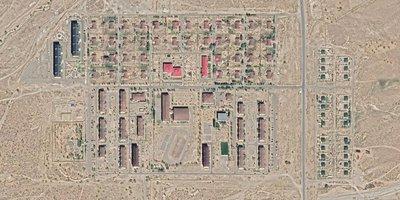
Sustainability of China's Overseas Special Economic Zones: Social Sustainability
Social sustainability revolves around how the zone treats its workers and the surrounding community. We observed variation in the provision of housing, training facilities and quality of infrastructure supporting workers' commutes.
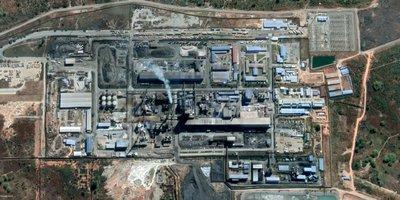
Sustainability of China's Overseas Special Economic Zones: Zambia
Despite significant strides in implementing domestic regulation to curb environmental degradation, the Zambia-China Economic and Trade Cooperation Zone (ZCCZ) is an example of gaps that exist in China's sustainability practices overseas.
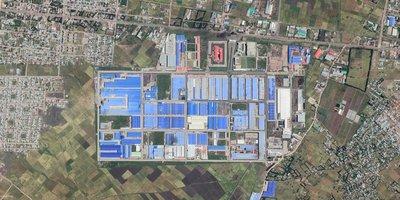
Sustainability of China's Overseas Special Economic Zones: Introduction
China's economic diplomacy has encouraged the use of special economic zones (SEZs) abroad. These areas of specialized regulation and incentives are aimed at attracting foreign investment. However, China's emphasis on SEZs to promote quick economic growth has raised questions about whether China is sacrificing sustainable development for speed.