


- NATIONAL GEOSPATIAL-INTELLIGENCE AGENCY
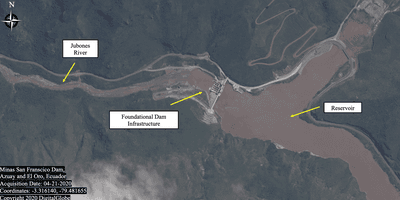
China's BRI in Latin America: Case Study – Hydropower in Ecuador
In contrast to our findings of BRI hydroelectric power projects in Bolivia, in Ecuador, we observe fewer problematic environmental impacts in the majority of Chinese projects, with several accompanied by substantial local community development initiatives.
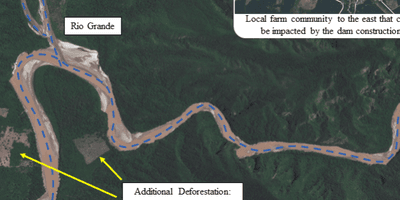
China's BRI in Latin America: Case Study - Hydropower in Bolivia
In line with the push for environmentally friendly Belt and Road Initiative (BRI) infrastructure projects and Bolivia's former President Evo Morales' "2025 Patriotic Agenda" to transform Bolivia into a regional energy hub, China has supported six hydropower energy projects in the country. The success of these projects vary, and are more dependent on domestic factors in Bolivia than the actions of China.
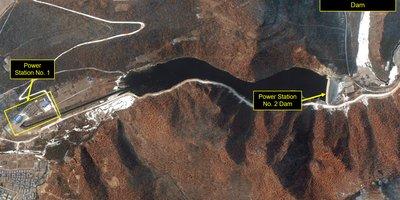
North Korea's Hydroelectric Power – The Paektusan Hero Youth Power Stations
North Korea's northeastern provinces, especially Ryanggang Province, play an important role in the country's hydropower development plans. The Paektusan power station project was designed to provide uninterrupted electrical power to this area, where the recently opened showcase city of Samjiyon is situated, to fuel its success.
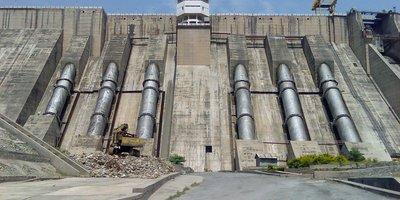
North Korea's Hydroelectric Power - The Tanchon Power Station Project
To help meet North Korea's electrical energy needs, it has placed great emphasis on the use of hydropower. One strategy to improve this sector has been to shift focus from large-scale dams and hydropower plants to smaller ones, arranged in tiers.
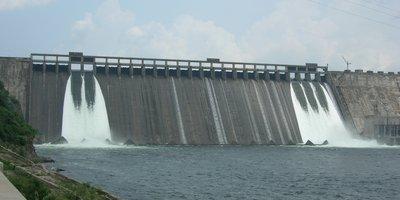
North Korea's Hydroelectric Power – Part II
North Korea has faced persistent challenges in generating sufficient electricity to meet its industrial and civil needs. While coal is a primary source of energy consumption, hydroelectric power is the predominant method of electricity production.
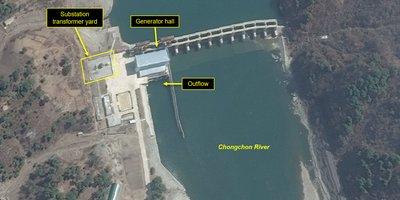
North Korea's Hydroelectric Power – Part I
North Korea has faced persistent challenges in generating sufficient electricity to meet its industrial and civil needs. While coal is a primary source of energy consumption, hydroelectric power is the predominant method of electricity production.