


Samantha Pitz
Research Associate, Stimson Center & Assistant Producer, 38 North
Articles By This Author
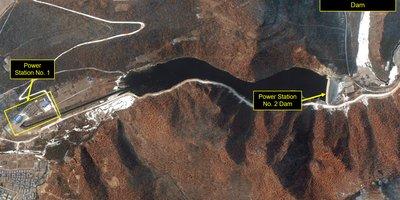
North Korea's Hydroelectric Power – The Paektusan Hero Youth Power Stations
North Korea's northeastern provinces, especially Ryanggang Province, play an important role in the country's hydropower development plans. The Paektusan power station project was designed to provide uninterrupted electrical power to this area, where the recently opened showcase city of Samjiyon is situated, to fuel its success.
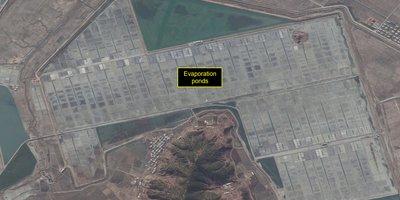
North Korea's Tideland Reclamation Efforts
Adequate domestic food production is a persistent challenge in North Korea, given its limited arable land. Long-term efforts to increase that capacity through tideland reclamation projects along the country's west coast began in the 1980s, although suffered serious setbacks in the first decade due to poor engineering and maintenance and natural disasters.
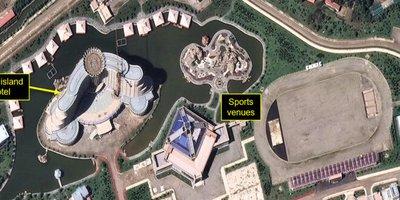
Examining Kim's Approach to Construction: Project Wonsan
Well into his ninth year as supreme leader, Kim Jong Un has shown a willingness to deviate from tradition and separate himself from the habits and behaviors of his predecessors. While site visits are a practice consistent with the past, Kim's hands-on approach for major projects is an emerging signature of his leadership.

A Snapshot of North Korea's Supply Chain Coal Activity
Despite increasing restrictions on the DPRK's coal exports, the country's larger coal mines have remained active from 2015 to 2019 and improvements have been made to its coal supply-chain infrastructure.
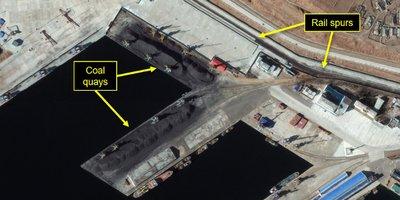
A Snapshot of North Korea's Supply Chain Coal Activity – Part II
Based on an initial look at North Korea's coal industry, the country's larger coal mines have remained active despite the increasing restrictions on the North's coal exports.
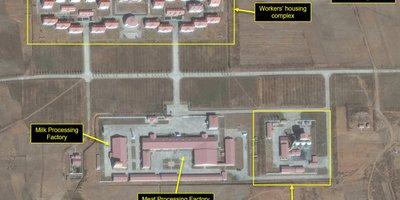
The Sepho Tableland: Changing Food Production in Marginal Areas
The redevelopment of the Sepho Tableland is one example of North Korea's efforts to adapt its agricultural practices to perform better within the constraints of the land. This project sought to convert high elevation terrains, which are not conducive to crop production, into grassy fields for supporting livestock farming, thus increasing protein production while maximizing less than ideal land resources.
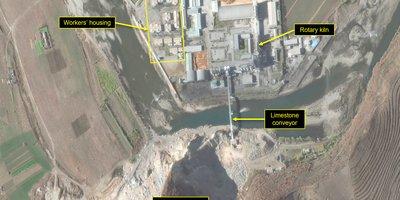
North Korea's Cement Industry: More Than Meets the Eye
North Korea's cement industry is central to achieving several of the goals set forth in the new five-year economic plan. Cement and concrete are necessary for improvement or expansion of tourist facilities, housing, roads, major construction projects, and even non-carbon electrical energy production. However, it is difficult to assess the industry's capacity, output, modernization and expansion.
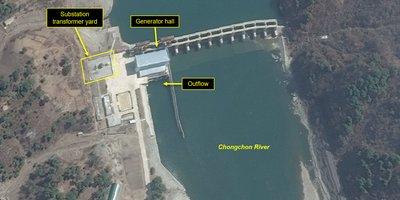
North Korea's Hydroelectric Power – Part I
North Korea has faced persistent challenges in generating sufficient electricity to meet its industrial and civil needs. While coal is a primary source of energy consumption, hydroelectric power is the predominant method of electricity production.
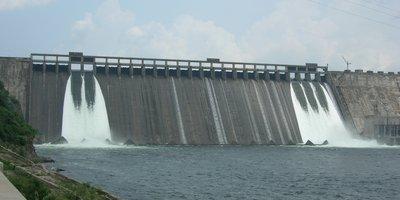
North Korea's Hydroelectric Power – Part II
North Korea has faced persistent challenges in generating sufficient electricity to meet its industrial and civil needs. While coal is a primary source of energy consumption, hydroelectric power is the predominant method of electricity production.
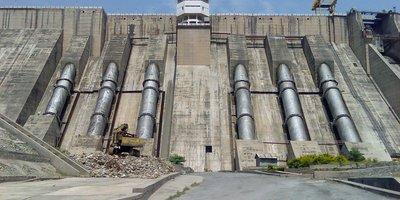
North Korea's Hydroelectric Power - The Tanchon Power Station Project
To help meet North Korea's electrical energy needs, it has placed great emphasis on the use of hydropower. One strategy to improve this sector has been to shift focus from large-scale dams and hydropower plants to smaller ones, arranged in tiers.