


- NATIONAL GEOSPATIAL-INTELLIGENCE AGENCY
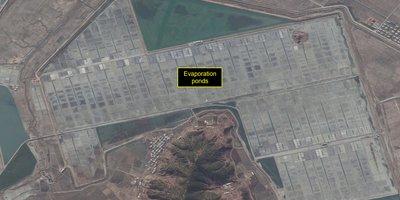
North Korea's Tideland Reclamation Efforts
Adequate domestic food production is a persistent challenge in North Korea, given its limited arable land. Long-term efforts to increase that capacity through tideland reclamation projects along the country's west coast began in the 1980s, although suffered serious setbacks in the first decade due to poor engineering and maintenance and natural disasters.
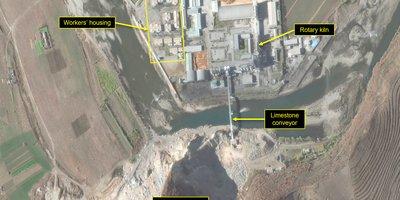
North Korea's Cement Industry: More Than Meets the Eye
North Korea's cement industry is central to achieving several of the goals set forth in the new five-year economic plan. Cement and concrete are necessary for improvement or expansion of tourist facilities, housing, roads, major construction projects, and even non-carbon electrical energy production. However, it is difficult to assess the industry's capacity, output, modernization and expansion.
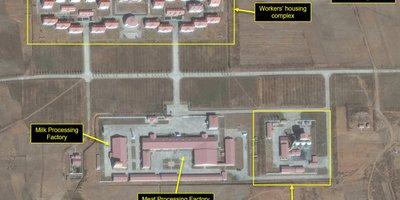
The Sepho Tableland: Changing Food Production in Marginal Areas
The redevelopment of the Sepho Tableland is one example of North Korea's efforts to adapt its agricultural practices to perform better within the constraints of the land. This project sought to convert high elevation terrains, which are not conducive to crop production, into grassy fields for supporting livestock farming, thus increasing protein production while maximizing less than ideal land resources.
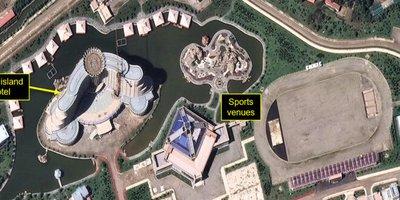
Examining Kim's Approach to Construction: Project Wonsan
Well into his ninth year as supreme leader, Kim Jong Un has shown a willingness to deviate from tradition and separate himself from the habits and behaviors of his predecessors. While site visits are a practice consistent with the past, Kim's hands-on approach for major projects is an emerging signature of his leadership.